
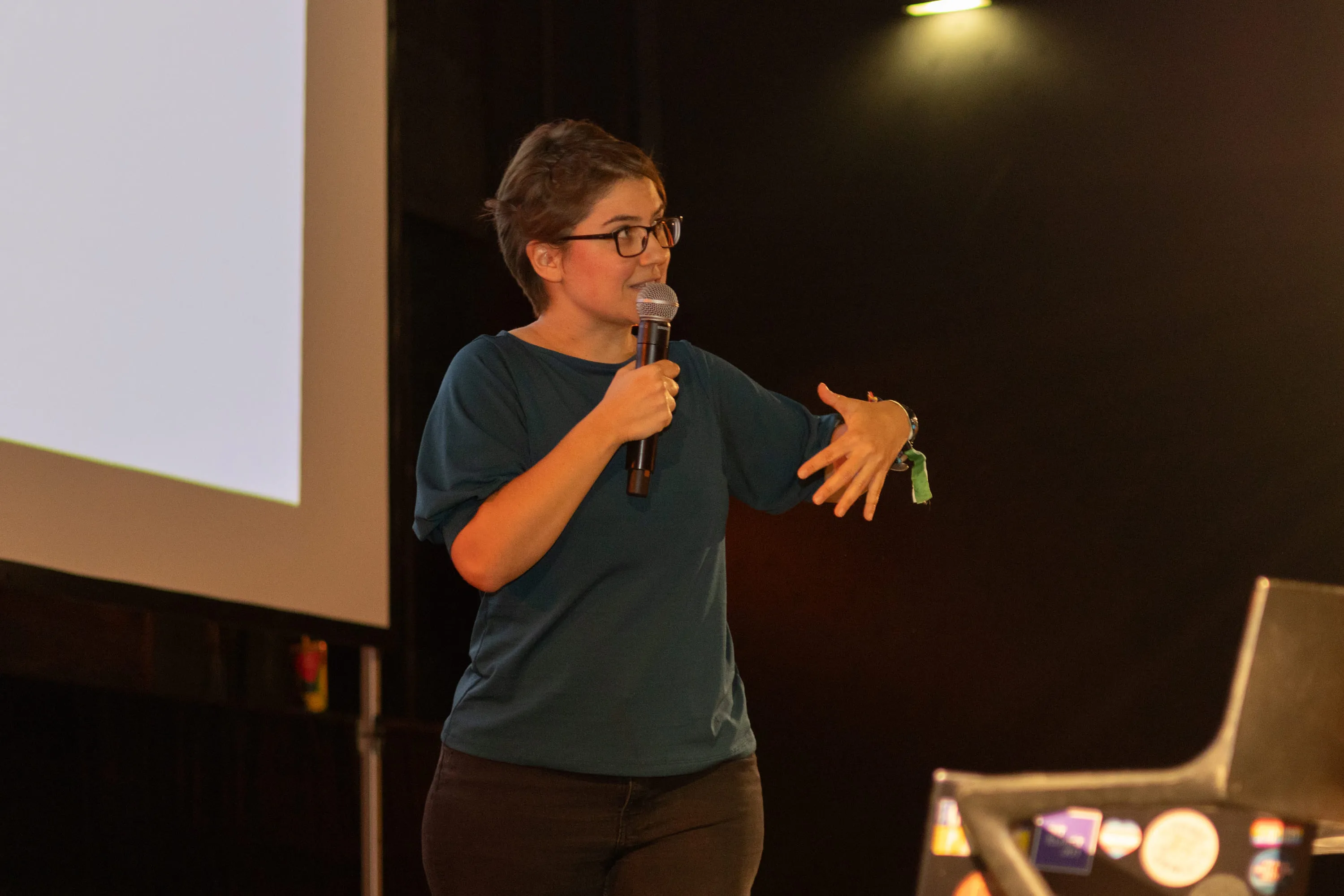
Digitalization brings numerous benefits, yet for many, it can also present a significant challenge. Career advisor and trainer Eszter Boros does not consider herself an early adopter when it comes to tech trends. However, because she has an international clientele, using digital tools in her work is unavoidable.
In the blog post below, we offer insight into how Eszter tackled the challenges associated with digitalization, particularly the use of social media and online tools.
Resistance to digitalization
Eszter has been living in Germany for 11 years. She works as a trainer and career advisor, and last summer she decided to leave her previous role as a financial controller to build her own business, separating and developing these two activities.
Eszter knows that keeping pace with certain software and technological innovations is essential—even if it feels difficult at first. She has never considered herself a pioneer of technological innovation. When launching her business, this posed numerous challenges, particularly in branding and positioning.
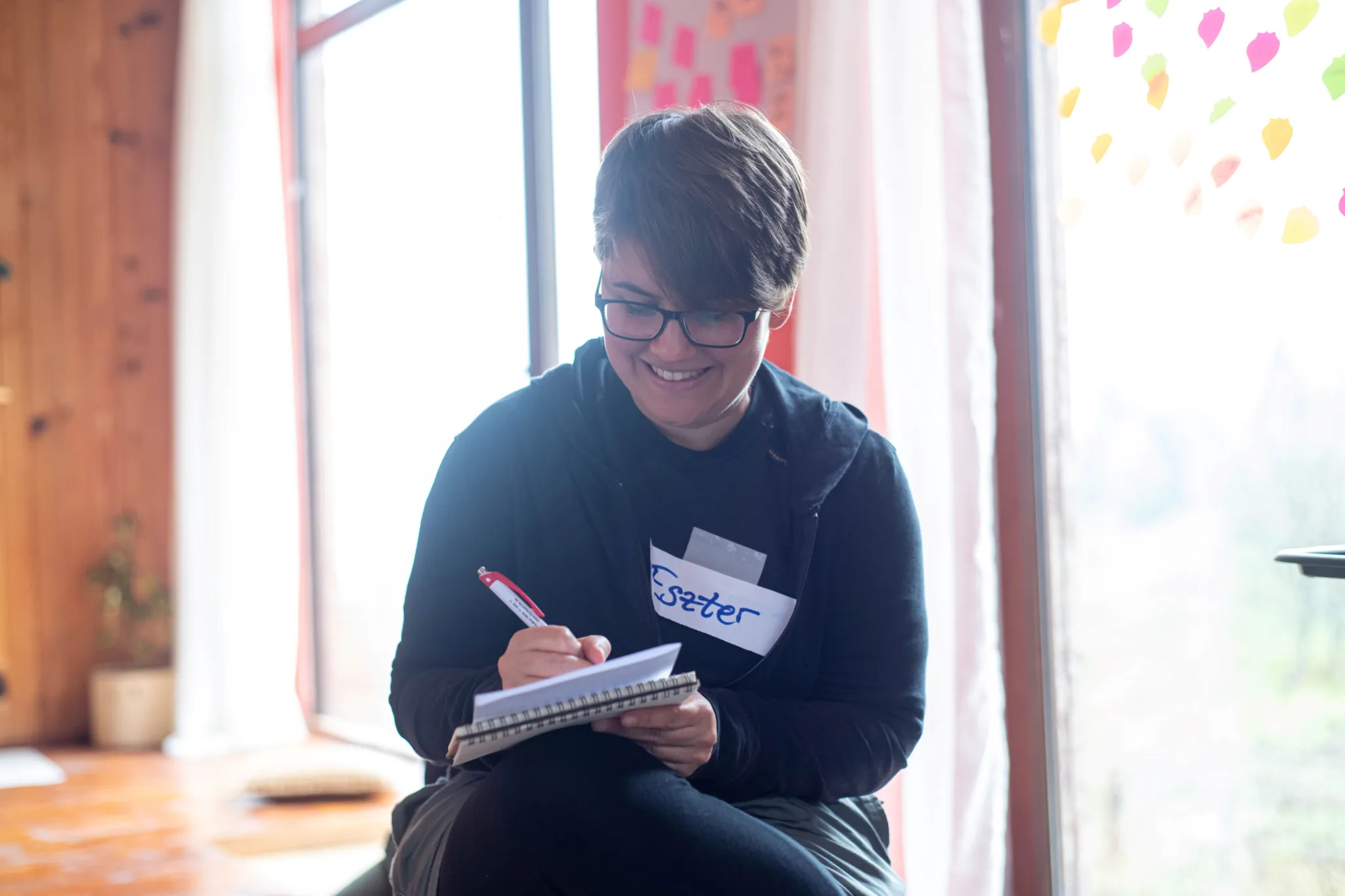
Using social media platforms was particularly challenging for her, as the boundaries between personal and professional life often blur there.
"I had to learn a lot about personal branding and how to show up on social media. This isn't always easy, especially if you're not someone who likes posting about yourself."
Marketing also proved to be a major challenge for Eszter.
"I was never someone who jumped on new technologies right away. For instance, the TikTok ship had already sailed by the time I realized what was happening."
Beyond practicalities, mental health also plays a role in why Eszter’s relationship with digitalization evolved this way. It is important for her to take regular breaks from screens and/or go on full "digital detoxes." And as an outdoor trainer, she clearly recognizes the benefits that time spent in nature brings to both physical and mental health. In her work, Eszter therefore strikes a balance between the flexibility provided by digitalization and the recharging power of nature.
International work and digital communication
Even if she doesn’t dive into new technologies right away, Eszter considers it important to keep up with digital progress, as this is precisely what allows her to work location-independently. Recently, for example, she spent a month in Hungary and stayed in touch with her clients from Peru for two months.
"Digitalization allows me to work from anywhere, which gives me tremendous freedom. Moreover, my clients and partners come from all across Europe, making digital tools indispensable for my work."
Client relations and digitalization
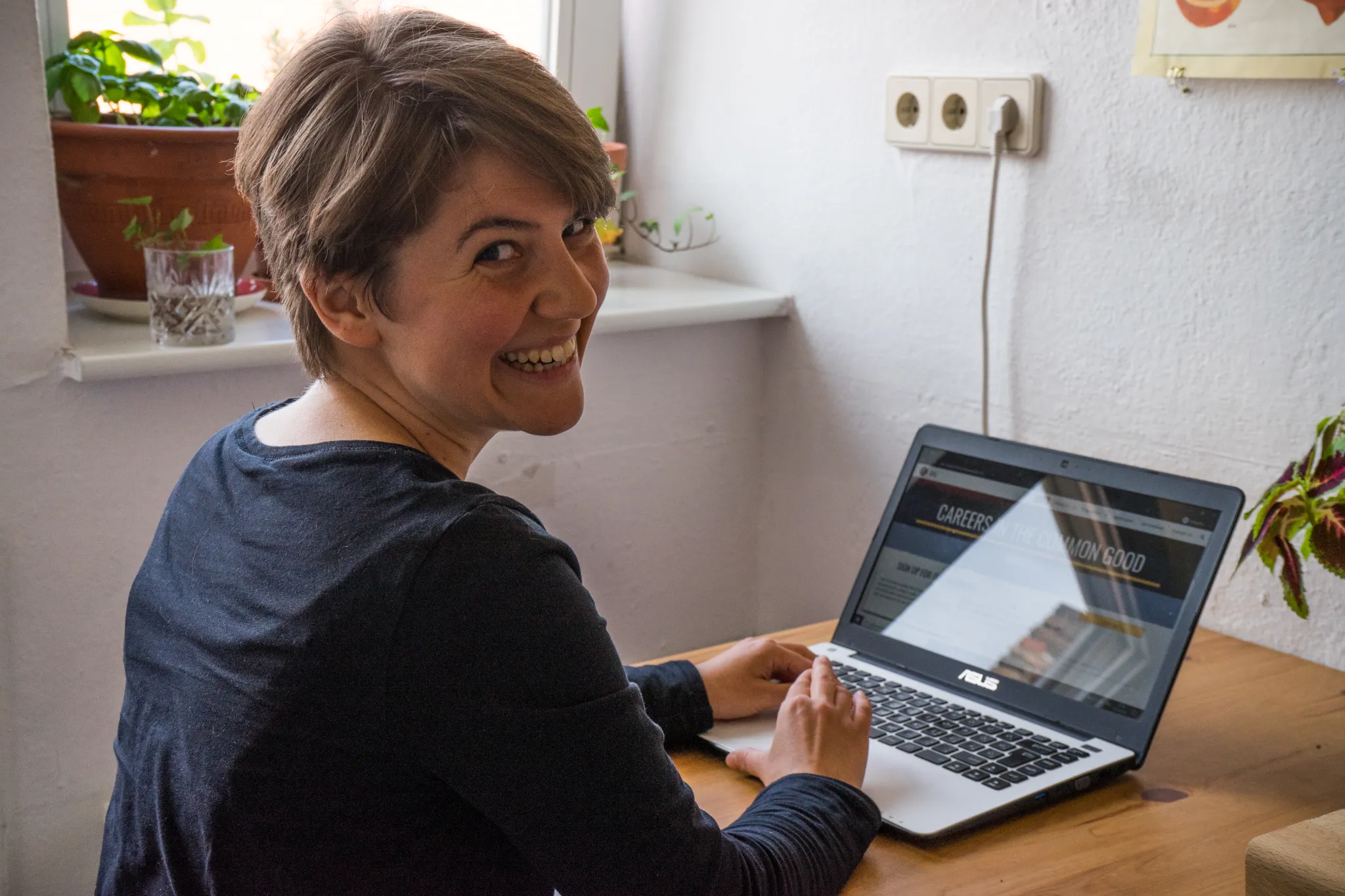
Eszter uses numerous digital tools in her everyday work. She has long utilized the features of Google Suite, and she prefers Google Sheets for task management because she finds it more convenient. She is also right at home in the world of online meetings, the Miro virtual whiteboard, and the Canva image editor.
She specifically highlighted the Minup appointment booking app, which greatly helps her work. For Eszter, Minup is not just a simple booking application, but a tool that significantly eases her day-to-day tasks. She particularly appreciates that Minup also provides the option to organize group meetings.
"Minup is simple and user-friendly. It has been continuously developed over the years, and now it works really well."
There were no objections from her clients regarding the use of Minup, either. In fact, most of them got used to it quickly and love using it. There were only a few exceptions, but according to Eszter, this was more about the client's resistance to digital tools rather than the app itself.
The supportive role of Minup
Minup didn't just help Eszter simplify her workflows. By her own admission, feedback from Ádám Marjai (Minup's CEO and co-founder) also contributed to Eszter gaining a better understanding of her own workflows.
"When I suggested new features or reported issues, Ádám always asked me what exactly my goal was and what problem I wanted to solve. This approach helped me to better think through and organize my own workflows."
Eszter's example clearly shows that although the challenges associated with digitalization and the use of new technologies can initially trigger resistance, these difficulties can be overcome with the right tools and a supportive environment.
Introducing Minup and other digital solutions not only increased the efficiency of her workflows but also created an opportunity for Eszter to better oversee and organize her own business. Therefore, technology is not just a challenge, but a crucial tool for modern businesses.
Did you like the article? Want to read more?
sign up to receive an email when we write a similar article!